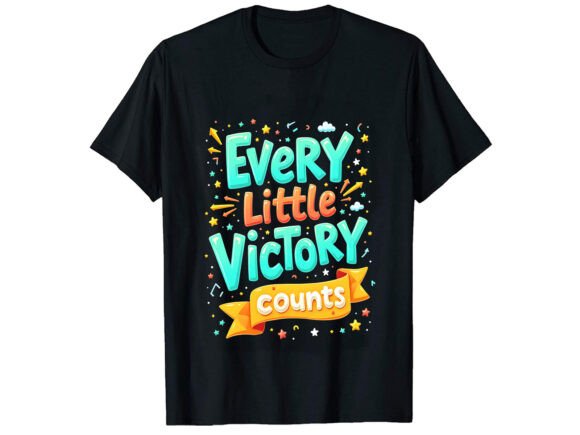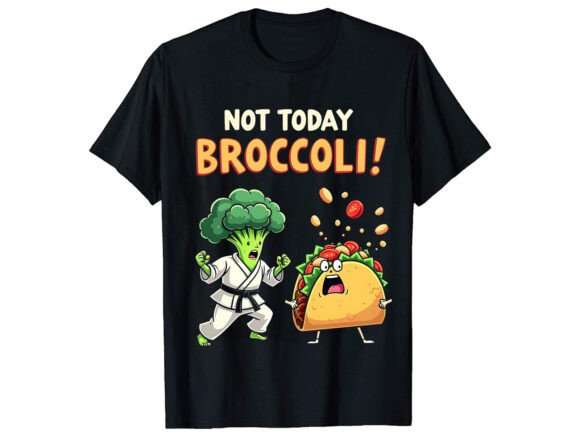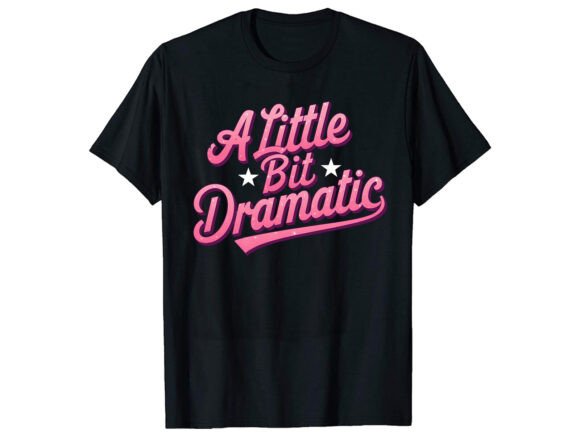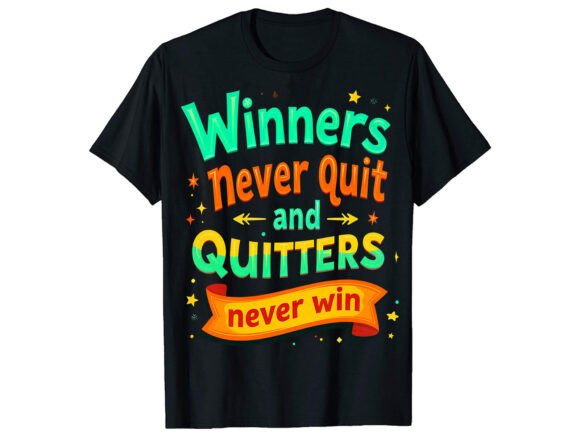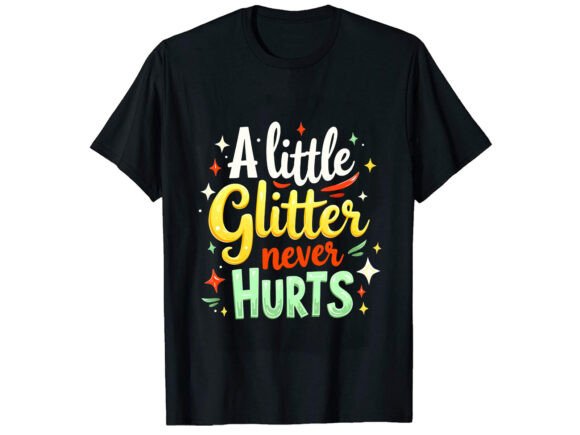
A Little Motivational T-Shirt Design Review
When I first opened the file for A Little Motivational T- Shirt Design, my immediate reaction wasn't about the pixel count or the resolution. It was about the mood. As a designer who spends hours staring at digitized files, trying to predict how a 2D image will translate into 3D thread on fabric, I look for that spark of potential. This design hits that mark instantly. It feels less like a generic clip art and more like a genuine sentiment waiting to be stitched. The layout is clean, the typography has personality, and it screams "handmade" in the best possible way.
First Impressions and Visual Personality
The visual appeal of this piece lies in its simplicity. In the world of T-Shirt Designs and digital graphics, clutter is the enemy. A Little Motivational T- Shirt Design avoids the trap of over-complication. It offers a clear focal point that allows the texture of the embroidery thread to do the heavy lifting. Whether you are planning a custom sweatshirt or a delicate baby item, the design's structure suggests versatility. It doesn't fight the fabric; it collaborates with it.
I imagine this design sitting comfortably on a cream-colored apron in a bustling craft kitchen or perhaps adorning the chest pocket of a denim jacket. The theme is universally relatable, which makes it an excellent candidate for personalized gifts. It carries an energy that says, "I believe in you," without shouting. That subtle confidence is exactly what separates a mass-produced print from a cherished embroidered heirloom.
Real-World Application: From Screen to Stitch
Let's talk about where this actually shines. I recently tested a similar motivational concept on a tote bag design for a client who runs a small boutique. They needed something that would stand out at a craft fair but remain professional enough for corporate merchandise. While I am reviewing A Little Motivational T- Shirt Design, I can see it performing exceptionally well in those exact scenarios.
For custom apparel, specifically hoodies and sweatshirts, this design works because it balances fill stitches with negative space. When executed correctly, the satin stitch outlines give it a crisp edge, while the fill areas add depth. If you are an Etsy seller looking to create a line of holiday gifts, this is a prime asset. Imagine a batch of embroidered patches sewn onto canvas bags for a winter market, or perhaps stitched onto the cuffs of children's sweaters for a nursery collection.
The inclusion of a mockup in the download is a smart touch. It allows you to visualize the final product before you even cut the stabilizer. For commercial embroidery projects, seeing how the design interacts with different fabric textures—like the nubbly surface of a fleece hoodie versus the smooth weave of a cotton tee—is crucial. This design seems to have the right density to hold up against both, provided the stitching parameters are adjusted.
Navigating the Challenges of Embroidery
No design is perfect for every situation, and a professional review must address where things might go wrong. A Little Motivational T- Shirt Design requires careful consideration when applied to specific surfaces. If you plan to use this on a curved surface like a cap or a hat, you need to be mindful of the distortion. Curved surfaces stretch the fabric, and fine details can sometimes get lost if the hoop size isn't chosen carefully.
Similarly, textured fabrics can hide the beauty of a design. On a thick, boucle knit, the definition of the lettering might soften too much. For embroidery project success on these materials, you might need to increase the stitch density slightly or choose a thread color with higher contrast. Thin or stretchy fabrics also present a risk of puckering. If you are working on a lightweight t-shirt, using the proper stabilizer is non-negotiable. A tear-away or cut-away backing will ensure the design stays flat and doesn't pull the garment out of shape.
Another area to watch is small detail work. If the design includes tiny lettering or intricate corners, test it on scrap fabric first. Sometimes, what looks sharp on a 4500×5400 screen becomes blurry once compressed into thread. If the design features dense stitch areas, ensure your machine can handle the tension without breaking needles or snapping threads. For machine embroidery design beginners, checking the stitch count and type (satin vs. fill) is essential before committing to a customer's order.
Impact on Brand and Customer Trust
In the handmade economy, quality speaks louder than marketing copy. When a customer receives a finished product featuring A Little Motivational T- Shirt Design, their perception of your brand hinges on execution. A clean, well-stitched design builds trust. It tells the buyer that you care about the details. Conversely, loose threads, poor registration, or visible puckering can damage your reputation as a craft business owner.
This design has the potential to elevate a simple gift into a statement piece. The motivational message adds emotional value, making the item feel more special. For small shop products sold online, high-quality images of the finished embroidery can significantly boost engagement. Buyers want to see that the design holds its shape and that the colors pop. Using the provided printable mockup to showcase the design on various backgrounds helps set accurate expectations.
Practical Designer Notes for Success
Before you start threading your machine, here is a checklist based on my experience with similar assets:
- Test on Scrap: Always run a test stitch on a piece of fabric similar to your final material. Check for puckering and thread breaks.
- Thread Contrast: Ensure your thread colors offer enough contrast against the fabric. A dark design on black fabric might disappear, while light thread on white might lack definition depending on the shade.
- Hoop Size Matters: Confirm the recommended hoop size for the design. Trying to force a large design into a small hoop often leads to distortion.
- Stabilizer Selection: Match your stabilizer to the fabric weight. Heavy fabrics need heavy stabilizers, and vice versa.
- Licensing Check: Verify the terms of use. Are you allowed to sell finished items? Can you modify the design? This is critical for digital product sellers and Etsy sellers.
- Black and White Preview: Convert the design to grayscale to check the balance of light and dark areas. This helps ensure the design reads clearly regardless of color choices.
If the file specifications mention a 300 dpi PNG, remember that this is primarily for printing or digital previews. For actual embroidery, you will likely need to convert this graphic into a vector or digitize it into a format compatible with your embroidery machine, unless the package explicitly includes the machine-ready file. Always double-check the file formats included in your download folder.
Final Thoughts on Value
A Little Motivational T- Shirt Design is more than just a graphic; it is a tool for creators. It fits seamlessly into the workflow of anyone making handmade products, from apron embroidery to holiday embroidery collections. Its strength lies in its adaptability and its ability to convey a positive message through texture and form.
Whether you are a hobbyist looking to make a unique gift for a friend or a professional decorator fulfilling a bulk order for a small business merchandise line, this design offers a solid foundation. It respects the medium of embroidery while delivering a modern aesthetic. With the right preparation and attention to detail, this design can help you create pieces that customers will love, wear, and cherish for years to come.